The latest insights from WP Legal Professional

If you are arrested or detained, the Canadian Charter of Rights and Freedoms gives you the right to know why, the right to a lawyer, the right to stay silent, and the right to an interpreter. Here is what those rights mean in practice, and why you should not try to talk your way out of it.
Read more
A judgment says you are owed money; it does not put money in your account. Here is how Ontario creditors use examination hearings, garnishment, and writs of seizure and sale to collect from a debtor who will not pay.
Read more
Working long weeks without extra pay? Under Ontario's Employment Standards Act, most employees — including many on salary — must be paid overtime after 44 hours a week. Here is how overtime works and how to recover it.
Read more
First-month and last-month's rent, a key deposit — and nothing else. Ontario's Residential Tenancies Act strictly limits the deposits a landlord can collect, and tenants who paid too much can apply to get it back.
Read more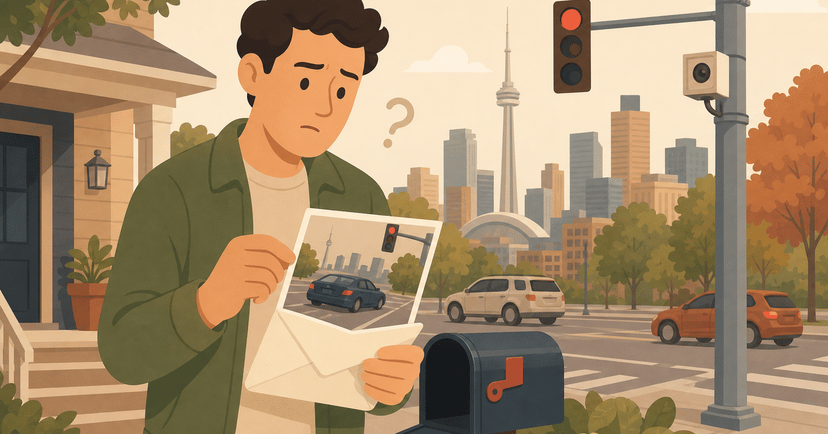
A camera ticket arrives in the mail weeks after the fact — addressed to the vehicle's owner, not necessarily the driver. Here is how red light camera penalties work in Toronto, what happened to speed cameras, and how to dispute a notice before the deadline passes.
Read more
A shouting match outside a bar, a drunken scene on the street, a heated argument that drew a crowd — causing a disturbance sounds trivial, but it is a Criminal Code charge, and a conviction means a criminal record.
Read more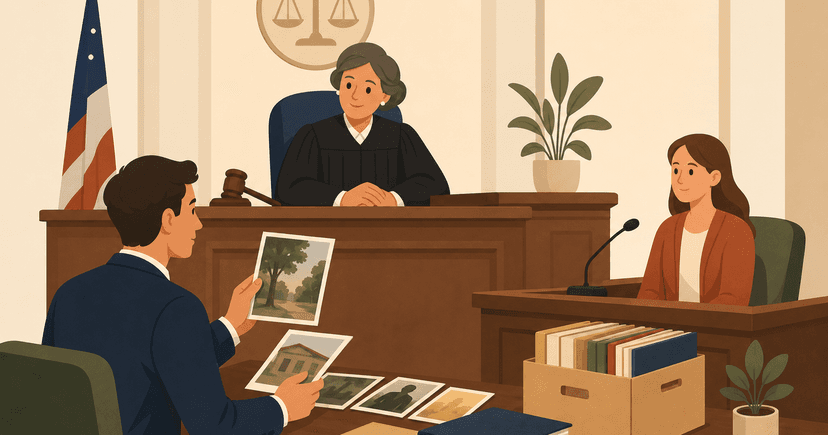
Most small claims cases settle — but when yours doesn't, you need to know what the trial looks like: who speaks first, what counts as evidence, and how to avoid the mistakes that sink self-represented parties.
Read more
Your employer never said the word 'fired' — but your pay was cut, your hours gutted, or your role hollowed out. Ontario law may treat that as a dismissal, with the same entitlements. The catch: how and when you respond matters enormously.
Read more
Ontario's rent increase guideline for 2026 is 2.1%, but the percentage is only half the story. The 12-month rule, the 90-day notice requirement, and the exemptions decide whether an increase is legal at all.
Read more
In Ontario, driving 40 km/h over the limit on many city roads is not just speeding — it is stunt driving, with an immediate licence suspension and vehicle impoundment before you ever see a courtroom.
Read more
In Ontario Small Claims Court, most cases never reach a trial. The settlement conference — a required meeting with a judge before trial — is often where your case is really won, lost, or resolved.
Read more
New to Ontario and worried your employer is short-changing your pay — or punishing you for speaking up? The Employment Standards Act protects you, and you can recover unpaid wages without going to court.
Read more
Paying a ticket is a guilty plea — but it is not your only option. Ontario gives you a short window to dispute a ticket, request a meeting with the prosecutor, or ask for a trial, and acting in time is everything.
Read more
A simple possession charge is not the dead end many people assume. Federal law treats it as a hybrid offence and now expressly tells police and prosecutors to consider alternatives to laying a charge.
Read more
A leaking ceiling, a broken heater, mould that never gets fixed — in Ontario your landlord must keep your unit in good repair and fit to live in, and the law gives you a clear way to push back when they won't.
Read more
When police release you with conditions, breaking even one of them is a separate criminal offence on top of your original charge — and it can make getting bail the next time much harder.
Read more
Getting pulled over with no valid insurance is one of the most expensive moments a driver can have in Ontario. The fines start in the thousands, your licence is at risk, and your vehicle can be taken away.
Read more
A client took your work and never paid. In Ontario, Small Claims Court is built for exactly this — a faster, simpler forum for recovering money owed, with a monetary limit that recently rose to $50,000.
Read more
For some people facing a first, minor criminal charge in Ontario, there is a route that ends with the charge withdrawn and no criminal record. It is called diversion — and understanding how it works can change the course of your life.
Read more
A minor bump in the dark can turn into a serious charge if you drive away. In Ontario, leaving the scene of a collision is an offence under both the Highway Traffic Act and the Criminal Code — and the version you face changes everything.
Read more
A peace bond can resolve a criminal charge without a guilty plea and without a criminal record — the charge is withdrawn in exchange for a promise to keep the peace. Here is how peace bonds work in Ontario and why they are often a good outcome.
Read more
If your job in Ontario ends without cause, the Employment Standards Act guarantees a minimum amount of notice or pay — and many employees are owed far more than the minimum. Here is how termination pay and severance pay work, and why you should not sign anything before getting advice.
Read more
Mischief is a Criminal Code offence that covers far more than vandalism — from graffiti and a smashed window to interfering with someone's use of their own property. Here is how mischief charges work in Ontario and why even a minor incident is treated as a criminal matter.
Read more
Ontario's graduated licensing system holds new G1 and G2 drivers to tougher standards than fully licensed drivers — zero alcohol, passenger and highway limits, and licence suspensions that escalate quickly. Here is what every novice driver and their family should understand.
Read more
In Ontario, you cannot simply tell a tenant to leave, change the locks, or move their belongings out. Ending a tenancy follows a strict legal process — and one wrong form can set you back months. Here is how to do it properly.
Read more
Your first appearance after a criminal charge in Ontario is not a trial — but missing it has serious consequences. Here is what actually happens that day, what disclosure is, and how duty counsel can help.
Read more
Demerit points are one of the most misunderstood parts of Ontario's licensing system. Here is how points are really applied, when warning letters and suspensions kick in, and why points are not the same thing as your insurance going up.
Read more
In Canada, threatening to harm a person, their property, or their pet can be a criminal offence on its own — even if you never act on it. Here is how uttering threats charges work in Ontario, and why a text message can land you in court.
Read more
Driving while your licence is suspended is not a minor ticket you can pay and forget. In Ontario it carries mandatory fines, a further licence suspension, and even the risk of jail — and many drivers do not realize they were suspended at all.
Read more
Ontario's Small Claims Court is built for ordinary people to recover money without a lawyer's-fee-sized bill. As of October 1, 2025 you can sue for up to $50,000 — here is what that covers and how a case actually works.
Read more
When a loved one is arrested, the bail hearing is often the most important early moment in the whole case. Understanding how release works in Canada — and what a surety actually signs up for — can make all the difference.
Read more
Being let go in Ontario does not always mean you were paid what you are owed. "Wrongful dismissal" is about whether you got proper notice or pay — and many workers, especially newcomers, are offered far less than the law actually requires.
Read more
Glancing at your phone at a red light can cost far more than the fine. In Ontario, a first distracted driving conviction brings demerit points, a licence suspension, and a lasting insurance hit.
Read more
Receiving an eviction notice is alarming, but a notice is not an eviction. Here is how the Landlord and Tenant Board process works in Ontario, and the rights every tenant should know.
Read more
A shoplifting accusation can lead to a theft under $5,000 charge — a criminal offence that creates a record affecting work, travel, and study. Here is how the process works and what your options are.
Read more
A careless driving charge under Ontario's Highway Traffic Act is far more serious than an ordinary ticket — it can mean six demerit points, a heavy fine, a possible licence suspension, and a lasting hit to your insurance.
Read more
Learn how criminal charges can affect your study permit and immigration status in Canada as an international student, and discover steps to navigate these challenges.
Read more
Discover how criminal charges can affect your Canadian work visa, and learn about options like rehabilitation and temporary resident permits to overcome inadmissibility issues.
Read more
Learn about the legal process following an assault charge in Ontario, from arrest to bail hearing, and why experienced legal representation is crucial for your case.
Read more
Domestic violence affects too many lives, but Ontario is fighting back with strong laws and support systems. Discover how the province is working to protect victims and build safer communities.
Read more
Can you get a DUI on a bicycle in Canada? The answer might surprise you. Learn about the legal implications of cycling under the influence.
Read more